Water Damage Restoration Milton, MA
Water moving beneath a floor needs more than a towel. Milton restoration pros provide 24/7 extraction, moisture mapping and structural drying, with a clear record of the wet materials.
(888) 480-6221Get water out of hidden spaces Extraction removes the standing water before equipment tackles moisture held inside the surrounding building materials.
What to do while the water is still moving
- Avoid the wet circuit Keep people out of water near outlets, equipment or a breaker panel. An electrician clears unsafe electrical conditions.
- Stop an accessible source Close a reachable supply valve from dry ground when the source is a plumbing leak and access is safe.
- Protect the next room Keep children and pets away from the affected space; avoid walking contaminated water onto clean flooring.
- Record the first signs Photograph water marks and damaged belongings from a safe position before moving items or opening finishes.
- Describe the water path Tell the response team where water started, where it has spread and whether another floor is involved.
Water Damage Restoration Services in Milton, MA
A leaking ceiling, frozen supply pipe and flooded lower room need different first steps. Choose the water problem for practical cleanup and drying details.
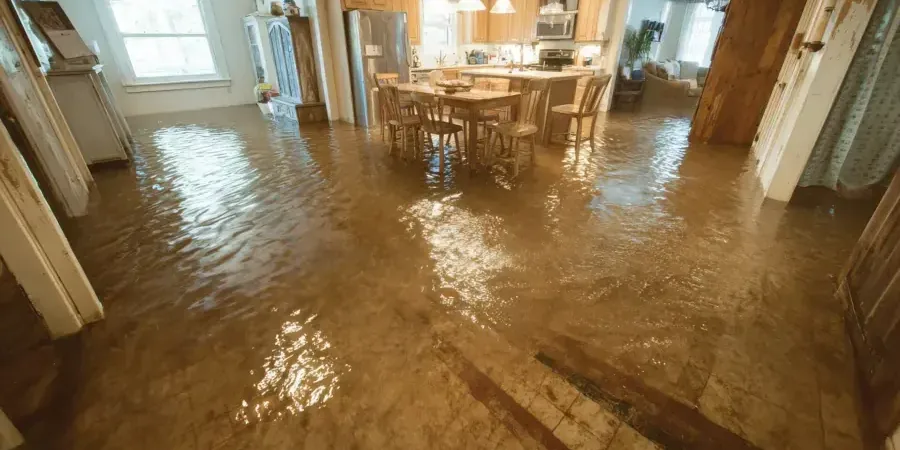
Water Extraction
Remove pooled water, then inspect the seams, edges and adjoining rooms where moisture can remain after the floor looks clear.
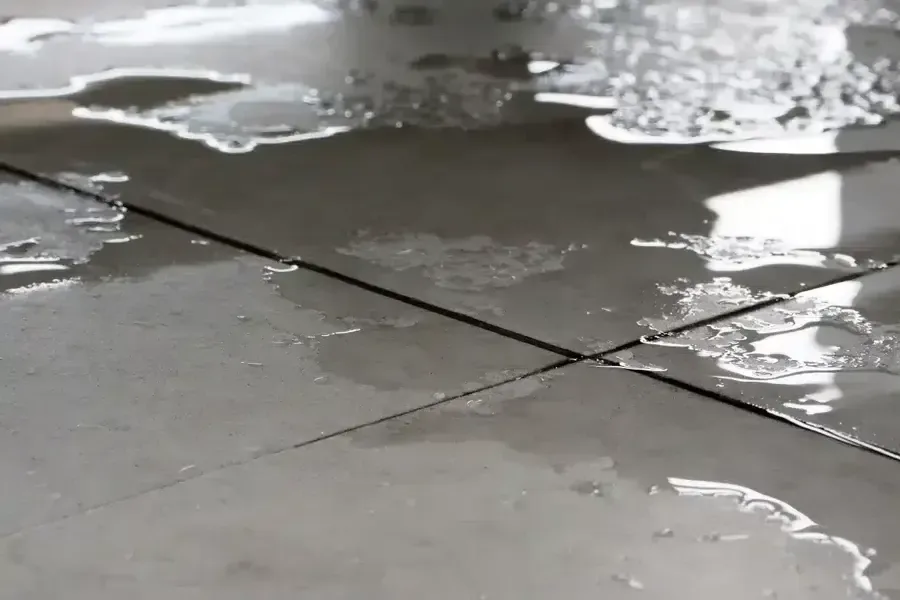
Slab Leak Water Damage
Trace water appearing at concrete before opening the floor; map the finish layers that need drying after plumbing repair.
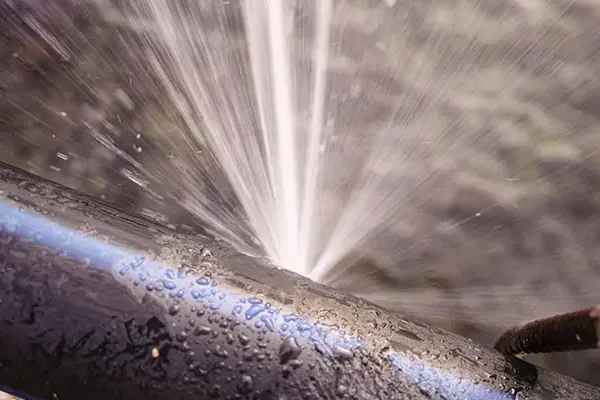
Burst Pipe Water Damage
Stop a pressurized release and follow its path through walls, ceilings and floors before choosing equipment locations.
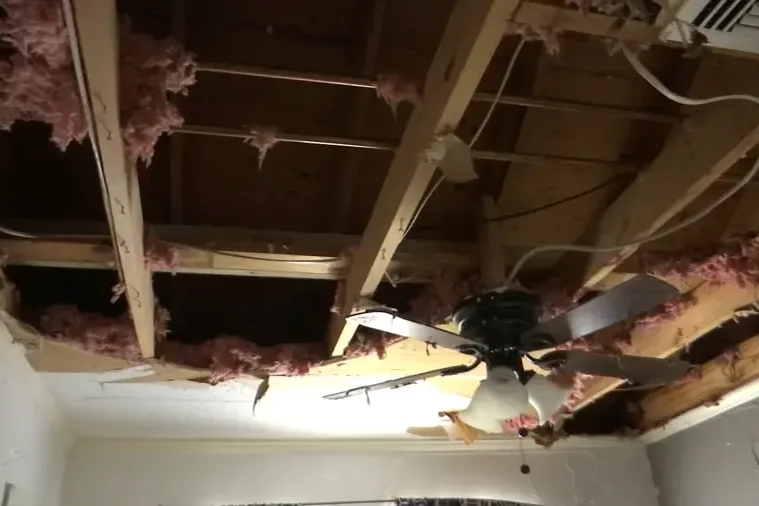
Ceiling Leak Water Damage
Protect the room beneath sagging drywall and check the source above, including hidden insulation and electrical fixtures.
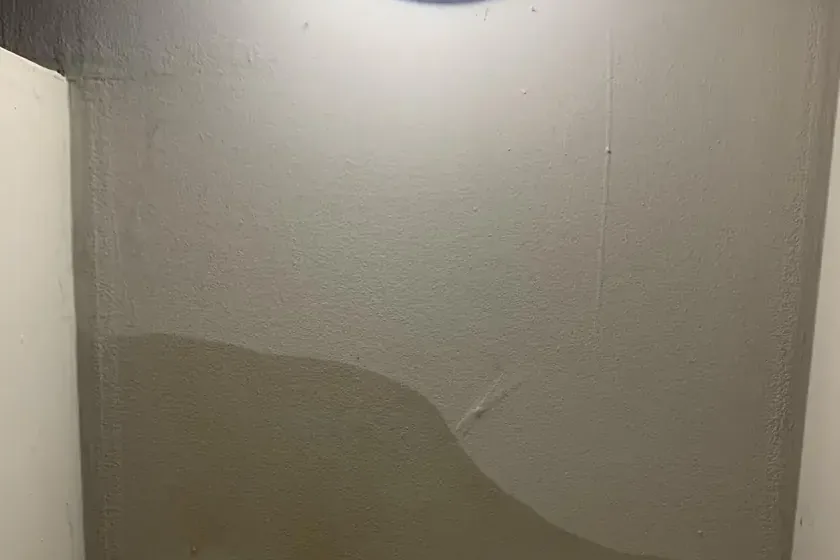
Roof Leak Water Damage
Track rain from the roof opening through attic materials and ceiling finishes after the building envelope is secured.
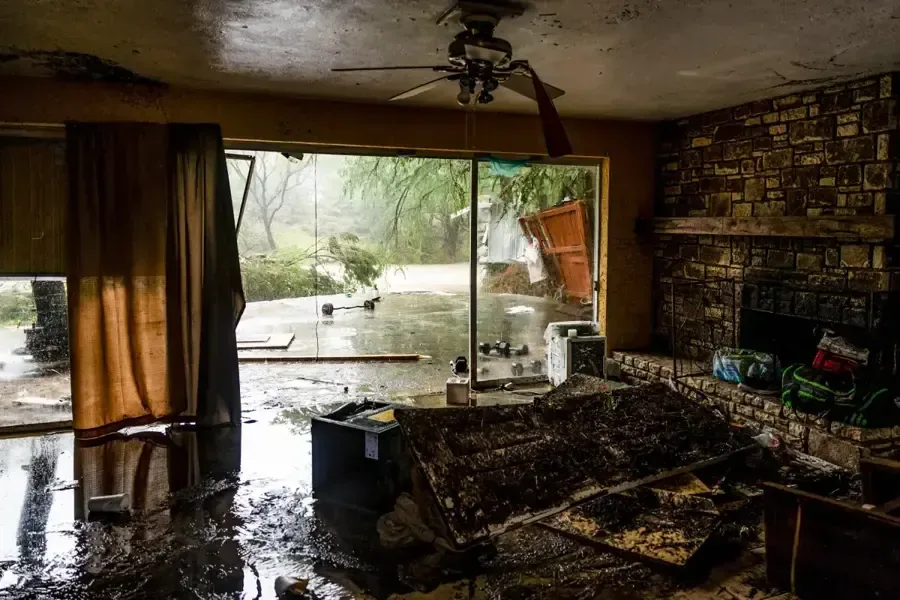
Storm Flood Cleanup
Treat outdoor water and deposited debris as contaminated, with controlled removal and a safe route through affected rooms.
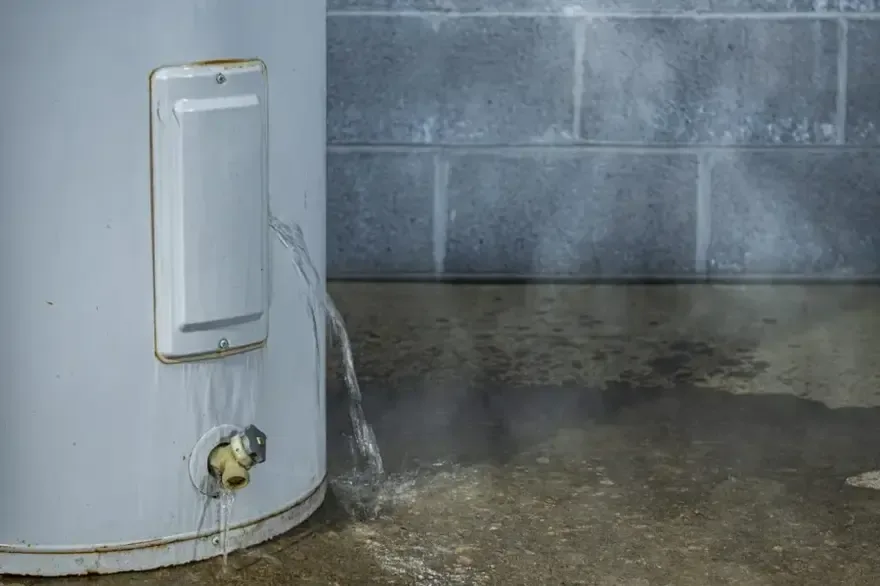
Water Heater Leak Cleanup
Separate tank repair from cleanup, then dry the floor, nearby wall bases and concealed areas around the heater.
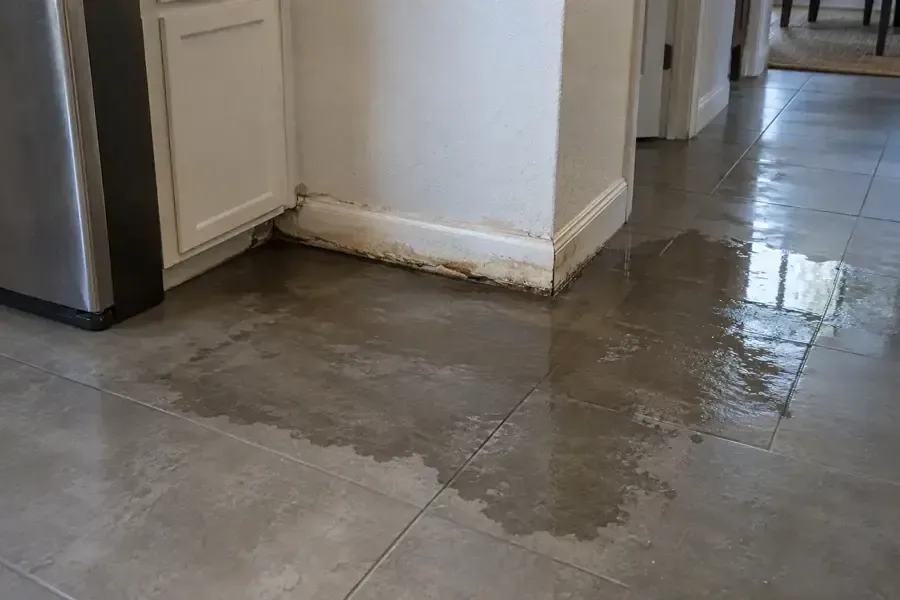
Appliance Leak Water Damage
Follow washer, dishwasher and refrigerator water behind cabinets and under flooring instead of stopping at the visible puddle.
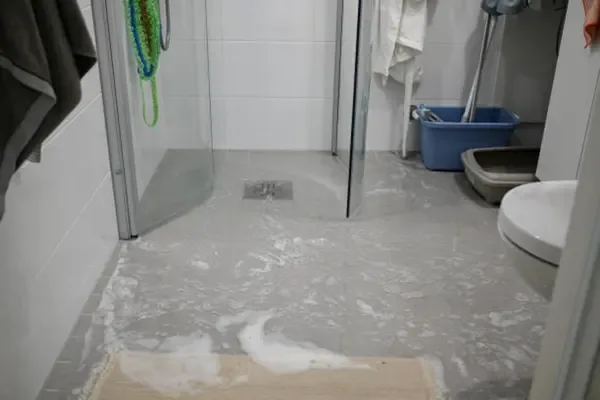
Toilet Overflow Cleanup
Restrict bathroom access, identify the overflow conditions and remove contaminated material without carrying it through clean rooms.
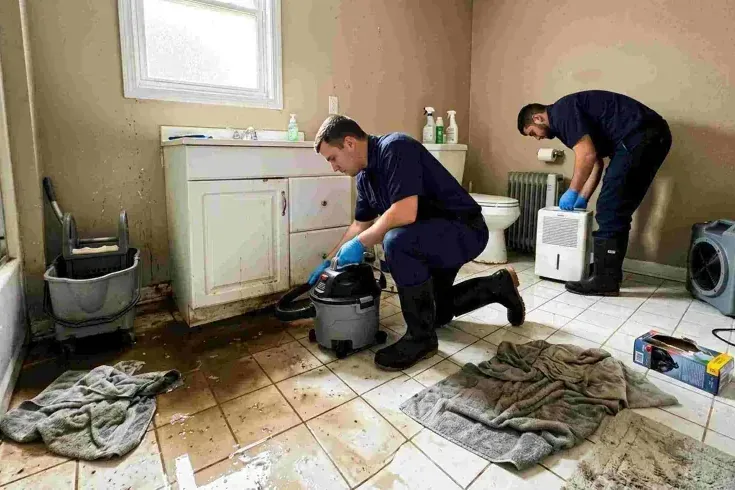
Sewage Backup Cleanup
Contain Category 3 water, remove affected porous finishes and clean accessible surfaces before the structural drying phase.
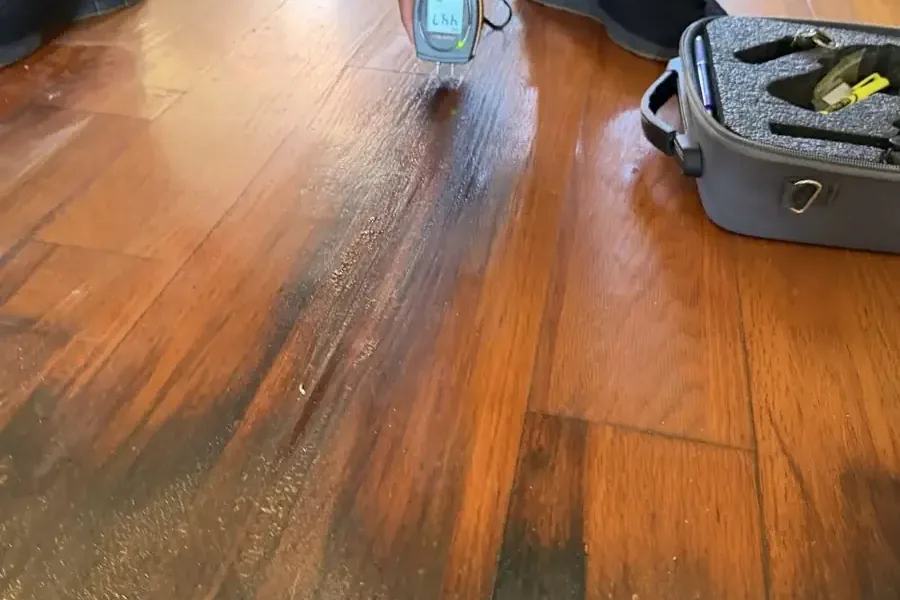
Hardwood Floor Water Damage
Compare board and subfloor readings before selecting a drying method or deciding which damaged sections require replacement.
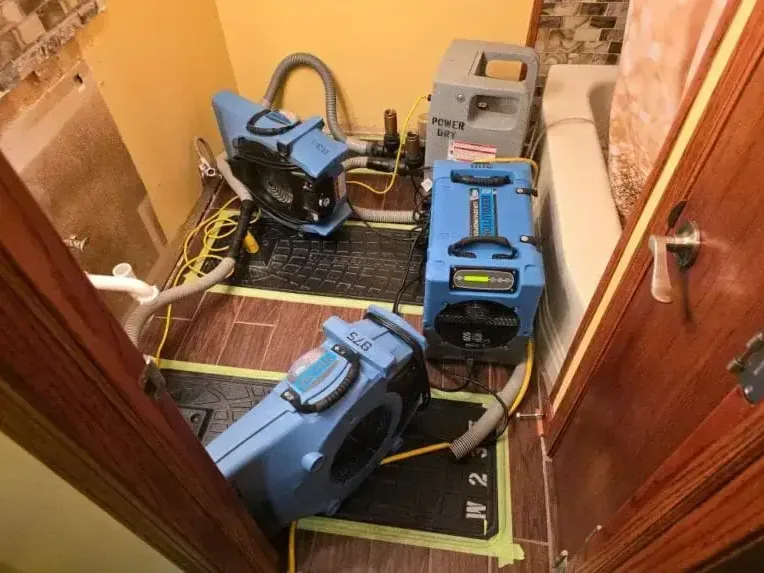
Structural Drying
Balance air movement with moisture removal and check dense materials until the drying record supports closing the assembly.
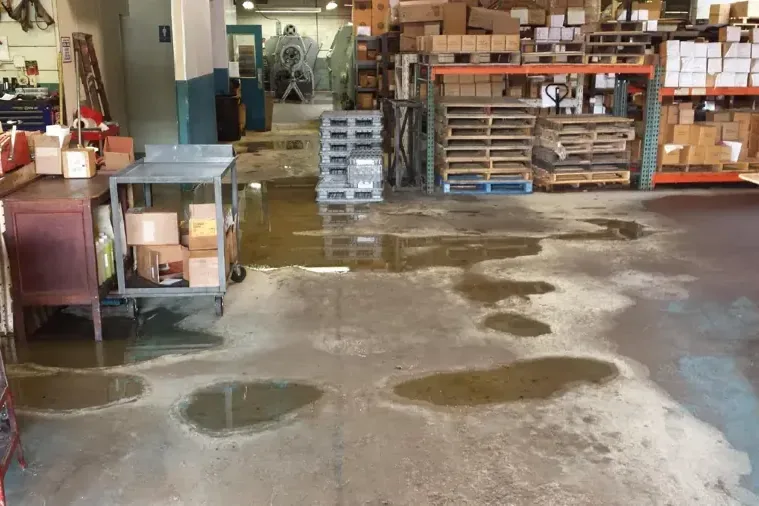
Commercial Water Damage
Separate wet work from usable space, document affected stock and plan equipment around access, circuits and operating needs.
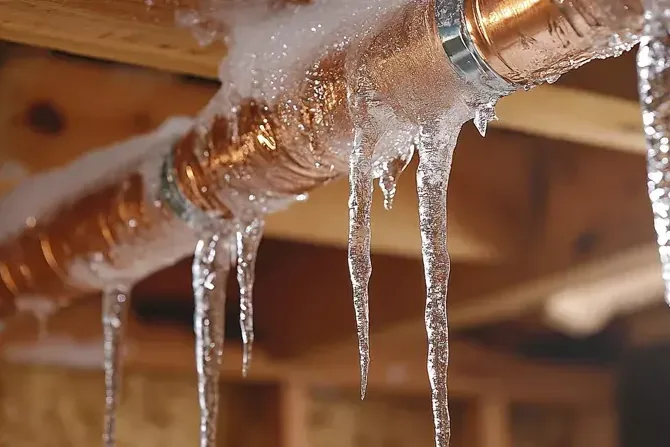
Frozen Pipe Water Damage
Inspect thaw-related releases, isolate the damaged section and check concealed pipe routes for water that escaped during warming.
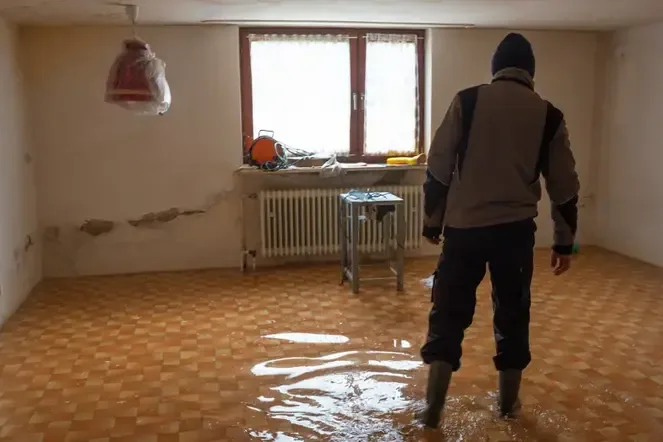
Basement Water Removal
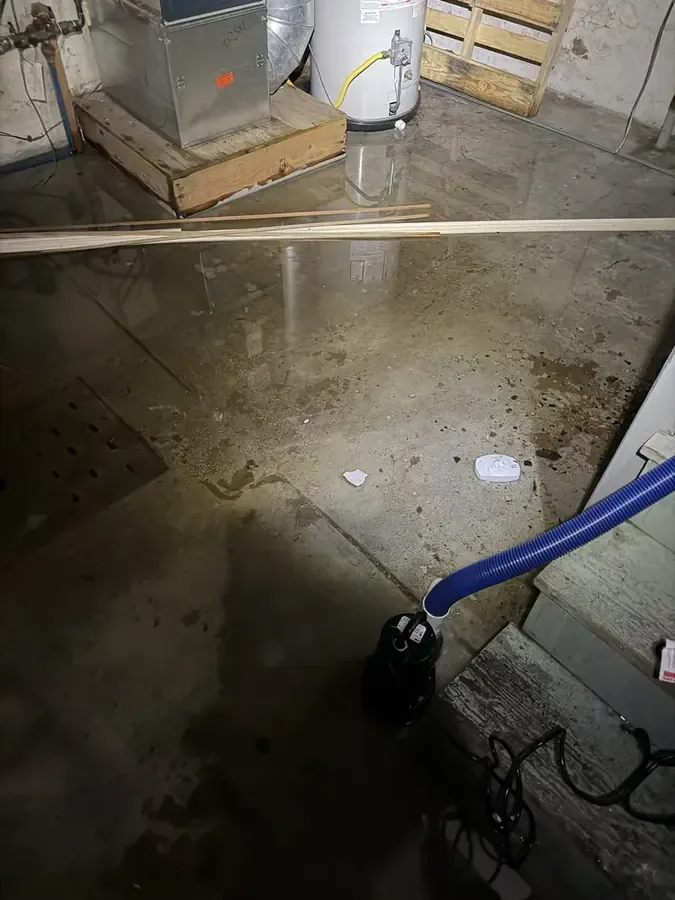
Assess electrical and structural hazards before pumping, then investigate the lower walls, floor edges and stored materials.
Water damage dried to the IICRC S500 standard
The drying team measures the building rather than judging its surface. Moisture readings, room conditions and material type determine the equipment arrangement and the point when each affected assembly is ready for repair.
- 01
Map the wet boundary
The technician checks floor edges, wall bases and adjoining cavities, marking wet areas and comparing similar unaffected materials before removal decisions.
- 02
Extract accessible water
The extraction crew uses pumps and weighted tools where appropriate, reducing the volume left for dehumidifiers and documenting discarded porous materials.
- 03
Control room conditions
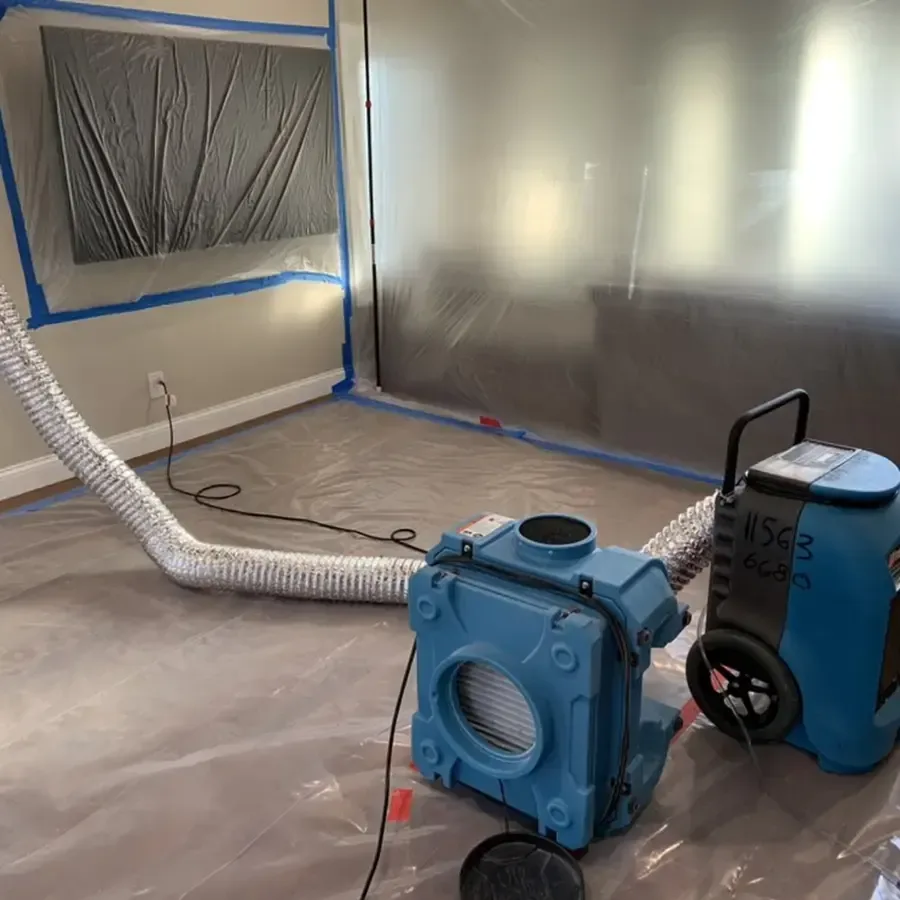
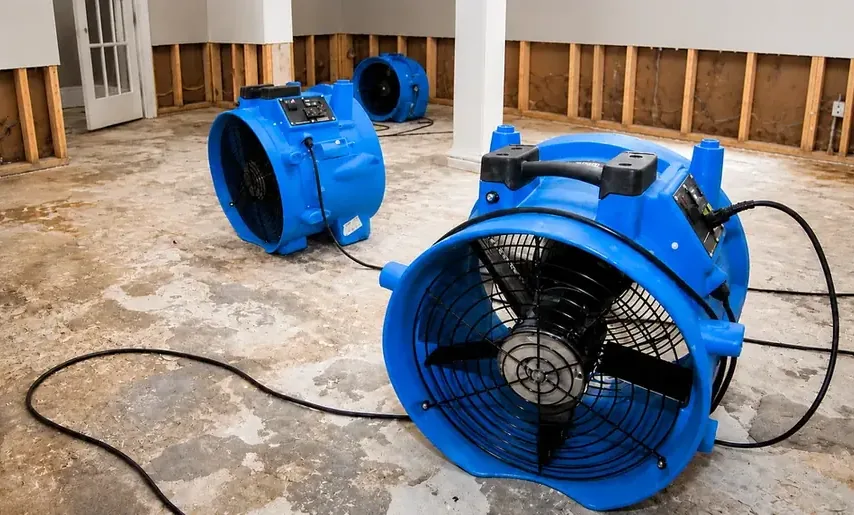
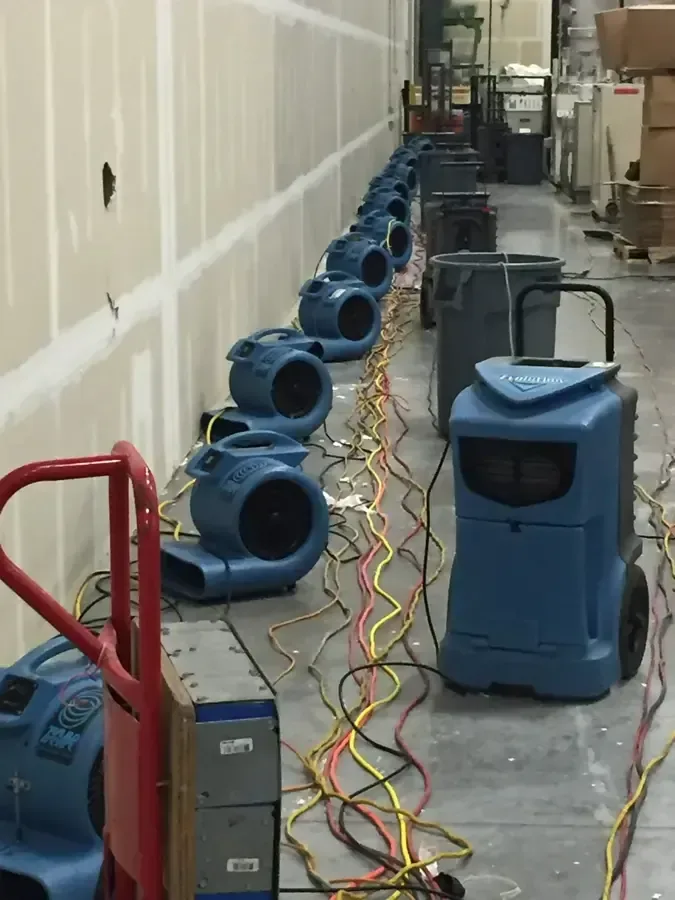
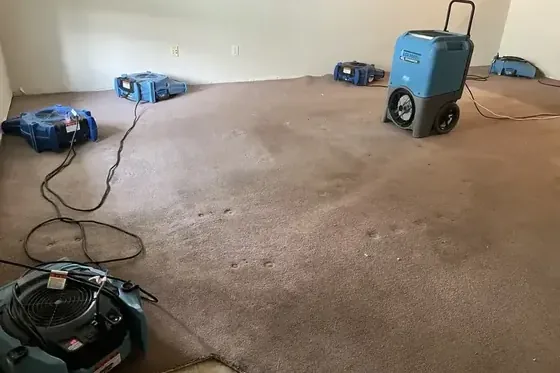
The restoration team directs airflow across wet surfaces while dehumidifiers capture evaporated moisture; closed drying areas keep humid outdoor air from disrupting progress.
- 04
Verify before closing
The drying specialist repeats readings at the same locations, investigates stalled areas and records the final material condition before equipment leaves.
Milton water damage decisions, room by room
From Lower Mills to Brush Hill, the restoration contractor checks the actual assembly. An older finish, enclosed cabinet or altered room layout changes where moisture hides and how drying proceeds.
Rapid local response
24/7 dispatch starts with the source, affected rooms and safe access, so the response team can plan appropriate extraction and drying equipment.
IICRC S500 drying standard
The drying team sets goals using the material and an unaffected reference, then checks progress instead of relying on a surface that feels dry.
Claim-ready documentation
The technician records water marks, moisture readings and removal decisions before finishes disappear, giving the homeowner a clear account of the work.
Local water experts
The Neponset River and Blue Hills frame the town, while plumbing failures inside each building require their own source tracing and moisture checks.
All water damage categories covered in Milton, MA
Category 1: clean source
A fresh supply leak starts with a sanitary source. Contact with dirty materials and time can change the cleanup needs.
Trace a pipe releaseCategory 2: contaminated water
Used appliance water can carry contaminants. The contractor examines affected finishes before choosing cleaning, removal or controlled drying.
Follow appliance waterCategory 3: sewage or floodwater
Sewage and outdoor floodwater need containment and removal of contaminated porous materials before cleaning and structural drying.
Contain a sewage lossWhat does water damage restoration cost in Milton, MA?
A contained water cleanup often costs $1,000 to $3,000; several affected rooms can reach $3,000 to $7,500, and contaminated or extensive losses can exceed $7,500. Wet area, water category, material class and delayed drying change the scope.
- Accessible extraction
- Limited material removal
- Focused equipment placement
- Multiple wet surfaces
- Cavity checks and access
- Daily drying adjustments
- Controlled debris removal
- Surface cleaning and treatment
- Larger drying zones
These typical planning ranges exclude major reconstruction and source repair. Compare the affected area and water conditions with the water damage cost calculator, then review a written scope for the property.
Documentation for your insurance claim
The restoration contractor records the initial water source, wet materials and drying progress. A complete timeline helps an adjuster distinguish the sudden event from repairs or conditions that preceded it.
Confirm the policy terms
A sudden supply-pipe failure and water rising from outdoors may fall under different coverage. The homeowner asks the insurer which policy applies and what documentation it needs.
An equipment log describes the work; it does not decide the claim. The policyholder checks limits, exclusions and deductibles before approving work based on an expected payment.
- Timestamped photos before damaged finishes come out
- Room-by-room moisture readings and dry reference points
- Water category and material-class observations
- Daily temperature, humidity and equipment records
- An itemized scope identifying cleanup and repair tasks
What a water damage dry-out looks like in Milton
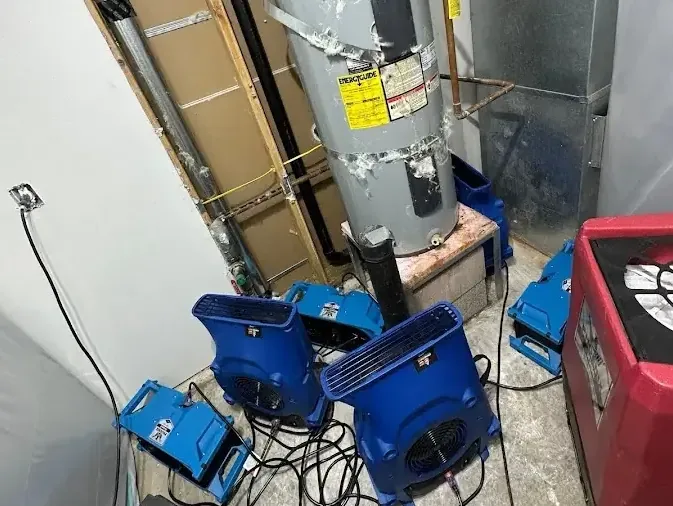
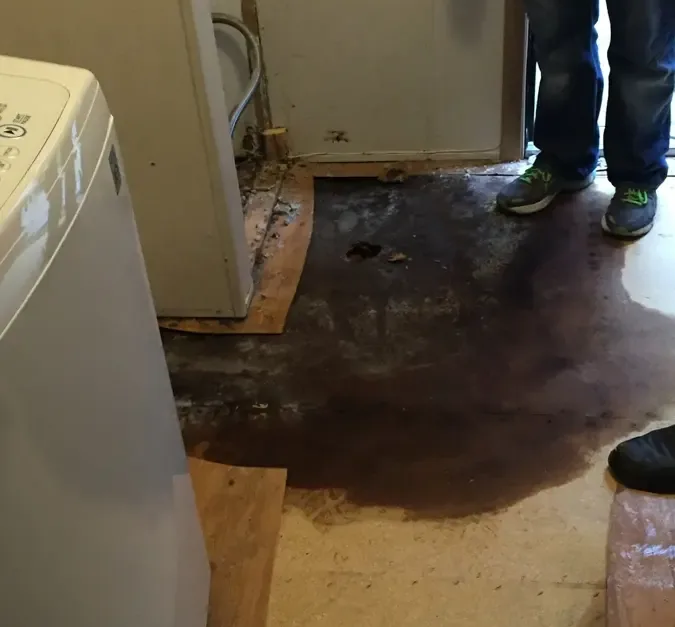
One call reaches Milton water damage pros, 24/7
Describe the room where water first appeared and any spaces that are unsafe to enter. The response team uses that information to plan the initial visit.
The contractor confirms access and the source condition before beginning work. Photos and a short timeline help explain changes since the water was discovered.
Plan before arranging cleanup
Compare wet area, drying conditions and safe access.
Nearby service areas
Water damage articles
Read about water entry, material drying and claim records.
Read the water damage articlesWater damage in Milton: buildings, water and access
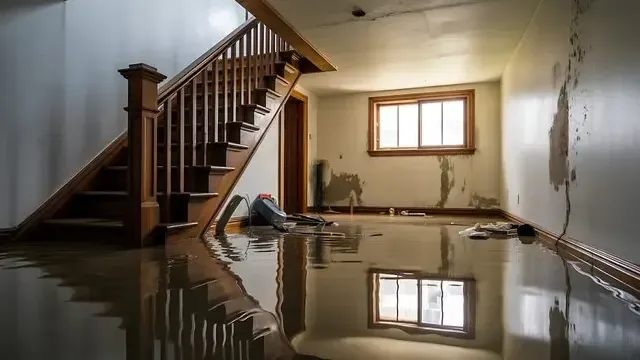
Milton sits between the Neponset River and Blue Hills. The restoration plan combines the visible water path with the construction of the affected room, including finishes altered during earlier renovations.
July 10, 2025: Heavy rain flooded Interstate 93 and closed both directions at Exit 3. The response team checks road access during major downpours.
- Older housing Construction slowed after the 1960s, and nearly all local housing predates 2000. Technicians inspect the actual layers behind repaired or remodeled finishes.
- Hilly surroundings Brush Hill and Milton Hill help identify different parts of town. At the property, the crew follows the actual entry point and affected level.
- Water supply The town purchases MWRA water from Quabbin Reservoir and Wachusett Reservoir. A private plumbing release still needs isolation at the building.
- Sewer service MWRA treats the town sewage. An indoor backup requires source investigation, controlled contaminated-material removal and cleaning before structural drying starts.
- Repair coordination Inspectional Services administers building, electrical, plumbing and gas codes. The contractor checks applicable requirements before work changes an affected assembly.
Milton water damage questions
What should happen before a wet room is entered?
The household keeps away from water near electricity, sagging ceilings or sewage. The response team checks the hazards and safe access first. A dry-looking doorway does not make the room safe if the floor beyond it remains energized or unstable.
Does removing a puddle finish the cleanup?
Extraction addresses free water. The drying specialist still checks drywall edges, insulation, floor seams and adjoining rooms. Moisture can remain beneath a finish after the surface clears, so the final decision uses measurements of the affected assembly.
How does the team decide when equipment can leave?
The technician compares repeated readings with a suitable dry reference and tracks room temperature and humidity. Dense materials may need a different method or more time. Equipment removal follows the drying goal rather than a fixed calendar promise.
What makes sewage cleanup different?
Sewage is Category 3 water. The mitigation crew isolates the work area, wears appropriate protective equipment and removes contaminated porous finishes. Cleaning and correctly applied EPA-registered products come before drying the retained structural surfaces.
Can drywall stay after a leak?
The contractor checks water category, saturation, integrity and access to the cavity. Some clean-water damage can dry in place. Contaminated material, lost strength or inaccessible wet insulation may require controlled removal before the wall can dry.
What local event illustrates heavy-rain access problems?
On July 10, 2025, flash flooding closed Interstate 93 in the area. During a new storm, the household follows current official road and evacuation instructions. The restoration visit depends on safe access to the building and the affected rooms.
Does a homeowners policy cover every water loss?
The insurer evaluates the source, timing and policy language. Sudden plumbing damage and outdoor flooding may involve different coverage. The homeowner confirms the applicable policy and supplies photographs, moisture records and the contractor's itemized scope.
Can a homeowner use household fans?
Airflow is only one part of structural drying. A professional checks contamination and electrical safety before moving air. Dehumidification, room control and material measurements matter as much as fan placement, especially where water entered a concealed cavity.
Which details help when requesting 24/7 cleanup?
Give the property location, source if known, affected level and any active flow. Mention standing water near equipment or an unsafe ceiling. The response team also needs to know about blocked entrances and rooms where occupants cannot safely move.
Wet materials need a clear next step
The restoration team follows the water, removes what cannot remain and measures the drying progress through completion.